How to Fish Different Structures on Florida’s Nature Coast
- Captain Pete France
- December 17, 2025
- 12:44 am
- 0 comments
Understanding How to Fish Different Structures is one of the biggest keys to consistent inshore success on Florida’s Nature Coast. Fish relate to structure for food, protection, and ambush points, and if you learn how each type of structure works, you’ll catch more redfish, snook, and trout year-round. As a Captain/fishing guide, I spend most days breaking down mangroves, oyster bars, grass flats, rock piles, and creek mouths—and each one requires a slightly different approach.
Why Structure Matters for Inshore Fishing
Structure creates opportunity. It funnels bait, blocks current, and gives predators a place to hide and strike. On the Nature Coast, structure is often subtle, not obvious. A small depth change, rocky patch, or current seam can hold fish all day.
Key reasons fish use structure:
- Protection from predators
- Easy access to food
- Current breaks to conserve energy
- Warmth or cooler water depending on season
Once you learn to read these areas, the puzzle starts coming together.
Fishing Mangroves on the Nature Coast
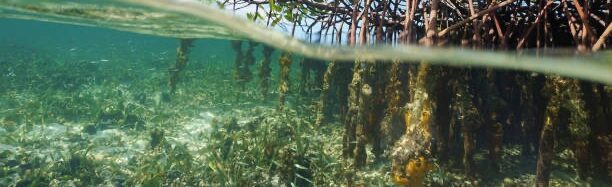
Mangroves are some of the most productive structure you’ll fish. They provide shade, cover, and constant food. Snook and redfish use mangroves as ambush points, especially during moving tides.
How to Fish Mangroves Effectively
The key to mangrove fishing is accuracy and stealth.
Tips for success:
- Cast tight to the mangrove edge, not away from it
- Skip baits under overhanging branches
- Fish incoming and outgoing tides for best movement
- Use light leaders to avoid spooking fish
Live shrimp, small pinfish, and soft plastics all work well. Let the bait fall naturally and be ready—strikes are often immediate and aggressive.
Oyster Bars: High Percentage Structure
Oyster bars are feeding stations. They hold shrimp, crabs, and small baitfish, which makes them magnets for redfish and trout.
Fishing Oyster Bars Without Losing Gear
Fishing oyster bars takes patience and smart positioning.
Best practices:
- Fish the edges, not the top of the bar
- Focus on moving water
- Use weedless or lightly weighted presentations
- Keep baits just off the bottom
Redfish often cruise oyster edges during low water, while trout prefer slightly deeper troughs nearby. Slow-moving artificials or live bait drifted naturally work best.
Grass Flats and Potholes
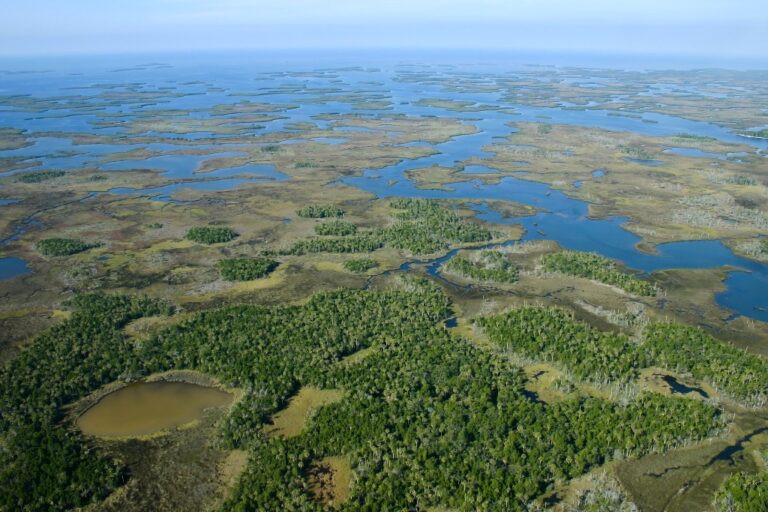
Grass flats define much of the Nature Coast fishery. These flats hold bait and provide endless ambush points, especially where potholes and sand patches are mixed in.
How to Break Down Grass Flats
Rather than randomly casting, fish grass flats with purpose.
Look for:
- Potholes and sand depressions
- Edges where grass meets open bottom
- Slight depth changes
- Bait activity like mullet or shrimp skipping
Topwater lures shine early and late in the day, while soft plastics and live shrimp dominate midday. Trout often sit in potholes, while redfish cruise edges looking for easy meals.
Rock Piles and Hard Bottom
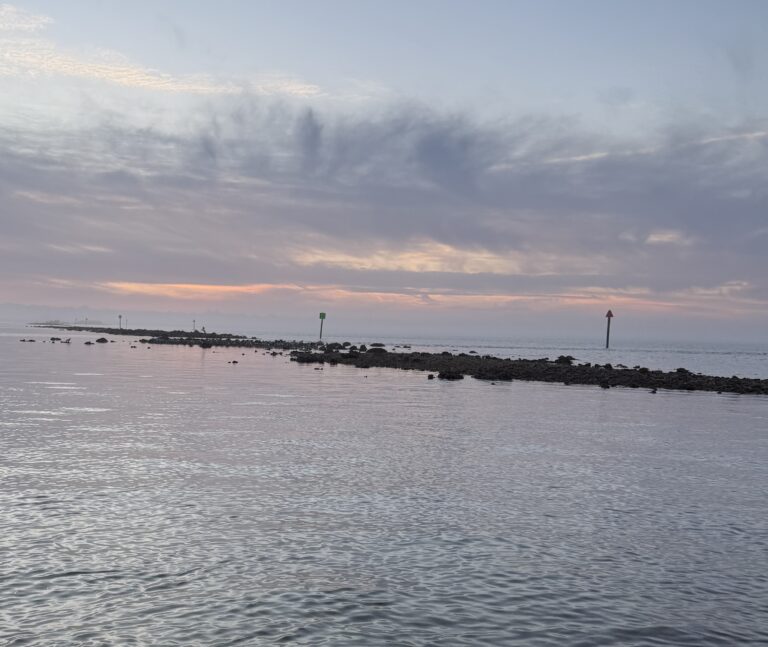
Rock piles and limestone bottom are some of the most overlooked inshore structure on the Nature Coast. These areas attract bait and hold fish year-round, especially during cooler months.
Fishing Rock Structure the Right Way
Fish these areas methodically.
Tips:
- Position up-current and work baits back naturally
- Use heavier leader around abrasive rock
- Slow down your retrieve
- Let baits bounce lightly off structure
Snook, redfish, and even nearshore species will stack on hard bottom when conditions are right. Live bait excels here, but slow-swimming artificials also get crushed.
Creek Mouths: Natural Fish Funnels
Creek mouths are highways for bait and predators. Any time water moves, fish position themselves to take advantage.
When and How to Fish Creek Mouths
Timing is everything when fishing creek mouths.
Best conditions:
- Outgoing tides that flush bait
- Incoming tides pushing food back in
- Temperature swings that move fish shallow
Fish sit on the down-current side waiting for food. Cast past the mouth and let your bait drift naturally through the current seam. This is one of the best places to intercept feeding fish without chasing them.
Matching Tactics to Conditions
Understanding How to Fish Different Structures also means knowing when to adjust your approach.
Key adjustments to make:
- Clear water = lighter leader, longer casts
- Dirty water = louder lures, stronger scent
- Cold weather = slower presentations
- Warm weather = faster retrieves and more aggressive tactics
No two days are the same, and structure fishing rewards anglers who stay flexible.
Gear Recommendations for Structure Fishing
You don’t need fancy gear, but the right setup helps.
Basic inshore setup:
- Medium-light to medium rod
- 2500–3000 size spinning reel
- 15–30 lb fluorocarbon leader
- Circle hooks for live bait
- Weedless rigs for grass and oysters
This setup lets you fish tight to structure without sacrificing control.
Conservation and Structure Awareness
Structure is fragile, especially oyster bars and grass flats. Always:
- Avoid running through shallow grass
- Drift or pole when possible
- Practice responsible catch and release
- Follow regulations from the Florida Fish and Wildlife Conservation Commission
Protecting structure protects the fishery.
Final Thoughts
Learning How to Fish Different Structures is one of the most important skills an inshore angler can develop. Mangroves, oyster bars, grass flats, rock piles, and creek mouths all hold fish—but only if you approach them correctly.
Slow down, read the water, and fish with intention. The Nature Coast rewards anglers who respect the structure and understand how fish use it. Master that, and every trip becomes more productive—and a whole lot more fun.
Planning Your Own Inshore Adventure?
If this story sparks your interest in inshore fishing on the Nature Coast, a guided trip can help you experience it the right way. With expert knowledge of local tides, seasonal patterns, and tackle setups, you’ll not only catch fish—you’ll learn the techniques that make this coast so special. Just click here to book online or call me at 727-218-7969 if you’ve got questions.
For trip information, conservation guidelines, and tide forecasts, check out resources like:
- Nature Coastin fishing charters
- Florida Fish and Wildlife Conservation Commission (FWC)
- NOAA Tides & Currents
Ready to Book Your Trip?
Booking your first Florida fishing charter with me is simple. Just click here to book online or call me at 727-218-7969 if you’ve got questions.
Let’s go Nature Coastin’—and make your first trip one you’ll never forget.