Choosing the Right Rod, Reel, and Line for Inshore Fishing
- Captain Pete France
- December 24, 2025
- 7:12 pm
- 0 comments
When it comes to consistent success on the water, Choosing the Right Rod, Reel, and Line for Inshore Fishing is just as important as knowing where the fish are. On Florida’s Nature Coast, inshore fishing demands gear that can handle shallow flats, oyster bars, grass, and hard-fighting fish like redfish, snook, and trout. As a Captain, I see it all the time—anglers with great technique held back by gear that doesn’t match the conditions. This guide breaks it all down in simple terms so you can fish smarter and with more confidence.
Why Proper Gear Matters on the Nature Coast
The Nature Coast is unique. Shallow water, clear conditions, and structure-heavy environments mean your gear needs to balance strength, sensitivity, and stealth. Too heavy, and you spook fish. Too light, and you lose them in oysters or grass.
The right rod, reel, and line combination helps you:
- Cast accurately in tight areas
- Detect subtle bites
- Control fish around structure
- Present baits naturally
Dialing in your setup makes every cast more effective.
Choosing the Right Rod for Inshore Fishing
Your rod is the foundation of your setup. Length, power, and action all play a role in how well you fish.
Rod Length
Most inshore anglers do best with rods between 6’6” and 7’6”.
- Shorter rods offer accuracy for tight mangrove casts
- Longer rods improve casting distance on open flats
For the Nature Coast, a 7’ to 7’2” rod is a great all-around choice.
Rod Power Explained
Power refers to how much pressure it takes to bend the rod.
Common inshore rod powers:
- Medium-light: Great for trout and finesse presentations
- Medium: Ideal all-around power for trout, redfish, and smaller snook
- Medium-heavy: Best for big snook or heavy structure
Most anglers fishing the Nature Coast will be best served with medium or medium-heavy power.
Rod Action and Why It Matters
Action describes where the rod bends.
- Fast action: Bends near the tip, great for sensitivity and hooksets
- Moderate-fast action: More forgiving, ideal for live bait and treble hooks
For inshore fishing, fast action rods give you better bite detection and control, especially in deeper potholes or current.
Choosing the Right Reel for Inshore Fishing
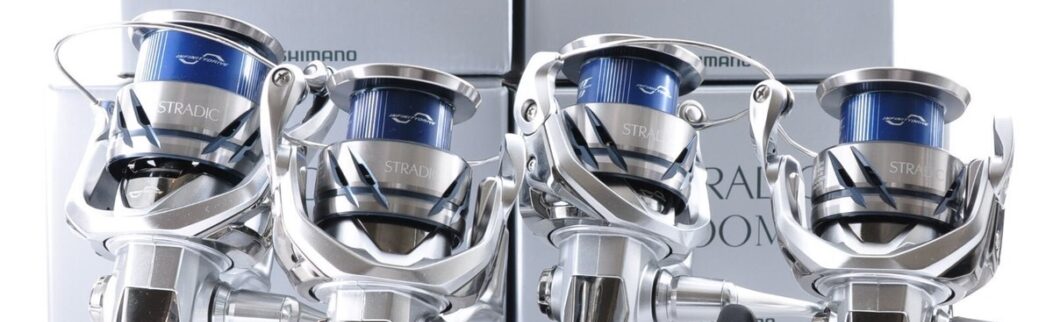
The reel balances the rod and handles the fight. Smooth drag and corrosion resistance are key in saltwater.
Reel Size Guide
For inshore fishing on the Nature Coast:
- 2500 size: Light setups, trout, finesse fishing
- 3000 size: Best all-around choice
- 4000 size: Heavy structure or large snook
A 3000-size spinning reel covers most inshore situations perfectly.
Drag System Importance
A smooth, reliable drag protects light line and prevents pulled hooks. Fish like snook make sudden runs, and a jerky drag leads to lost fish.
Look for:
- Sealed or corrosion-resistant drag
- Easy adjustability
- Smooth pressure under load
For more information on saltwater gear maintenance, resources like Saltwater Fishing Gear Basics from the Florida Fish and Wildlife Conservation Commission are helpful.
Choosing the Right Line for Inshore Fishing
Line choice directly affects casting distance, sensitivity, and fish control. Understanding line types is critical when choosing the right rod, reel, and line for inshore fishing.
Braided Line
Braided line is the most popular option for inshore anglers.
Benefits include:
- High sensitivity
- Thin diameter
- Long casting distance
Most anglers use 10–20 lb braid on the Nature Coast. Lighter braid casts farther and works well in clear water.
Monofilament Leaders
Monofilament stretches more and is more forgiving.
Pros:
- Absorbs shock
- Floats well for topwater
- Less visible than braid
Mono works well for beginners but lacks the sensitivity many inshore anglers want.
Fluorocarbon Leaders
Fluorocarbon is nearly invisible underwater and abrasion-resistant—perfect for structure-heavy fishing.
Leader tips:
- 15–20 lb for trout and clear water
- 20–30 lb for redfish and snook
- Go heavier around oysters and rock
Always connect braid to fluorocarbon with a strong knot to prevent failure.
Ready to Book Your Trip?
Booking your first Florida fishing charter with me is simple. Just click here to book online or call me at 727-218-7969 if you’ve got questions.
Let’s go Nature Coastin’—and make your first trip one you’ll never forget.