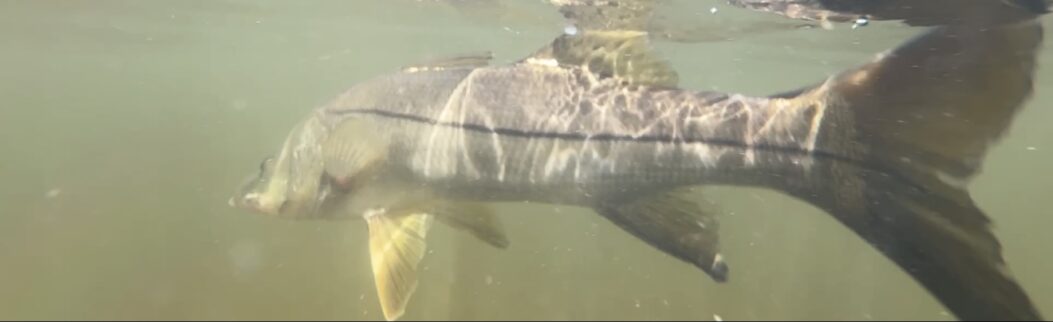
Snook Strategies: Summer Snook vs. Winter Snook
- Captain Pete France
- December 31, 2025
- 2:01 am
- 0 comments
When it comes to catching snook consistently, understanding Snook Strategies is the difference between slow days and bent rods. On Florida’s Nature Coast, snook change their behavior dramatically between summer and winter. Water temperature, structure, and lure selection all play a role, and if you don’t adjust your tactics with the seasons, you’ll fall behind the fish.
I’ve spent years fishing these waters, and the biggest lesson I’ve learned is simple: summer snook and winter snook are not the same fish. Here’s how I approach each season.
How Water Temperature Shapes Snook Strategies
Temperature drives everything snook do. Their feeding habits, movement, and location all depend on water temps.
- Warm water (summer): High metabolism, aggressive feeding, wide movement
- Cold water (winter): Slow metabolism, tight grouping, minimal movement
Successful Snook Strategies always start with reading water temperature before making the first cast.
Summer Snook Strategies on the Nature Coast
Where Summer Snook Set Up
During summer, snook spread out and feed aggressively. They position themselves where bait is easy to ambush and current brings food to them.
Key summer structure includes:
- Mangrove shorelines that offer shade
- Grass edges near deeper water
- Points and corners where current sweeps bait
- Shallow flats early and late in the day
In summer, snook are willing to move several feet—or more—to eat.
Best Summer Lure Selection
Summer is the time to fish faster and cover water. Reaction strikes are common when water temperatures are high.
Effective summer lures include:
- Topwater plugs at first and last light
- Paddle-tail swimbaits along edges
- Soft plastic jerk shads near structure
- Bucktail jigs when current is moving
Retrieve tip:
Use a steady retrieve with short pauses. Speed triggers bites when fish are active.
Winter Snook Strategies: Slow and Precise
How Cold Weather Changes Snook Behavior
Winter cold fronts force snook to conserve energy. They won’t roam far, and they won’t chase fast-moving baits. Instead, they stack up in areas that offer warmth and protection.
Smart Snook Strategies in winter focus on finding fish once and fishing slowly.
Where to Find Winter Snook
Winter snook rely heavily on structure that provides:
- Stable water temperatures
- Protection from cold winds
- Slightly deeper water
Look for:
- Deep bends and holes
- Backwater areas with dark bottoms
- Creek mouths with slow-moving water
- Structure that blocks north winds
When you catch one winter snook, slow down—there are usually more nearby.
Winter Lure Selection That Gets Bites
Cold water demands finesse. Big movements and fast retrieves push fish away.
Go-to winter lures include:
- Soft plastic jerk baits
- Small paddle tails on light jig heads
- Suspending twitch baits
- Live bait when conditions are tough
Retrieve tip:
Slow it way down. Long pauses are often more important than movement.
Structure: A Year-Round Key to Snook Strategies
Structure matters in every season, but how snook use it changes.
Summer Structure Use
In warm months, structure helps snook:
- Ambush bait
- Stay out of direct sun
- Take advantage of current flow
Winter Structure Use
In cold months, structure helps snook:
- Hold warmth
- Avoid temperature swings
- Save energy
Fish structure thoroughly in winter. One good cast isn’t enough.
Adjusting Your Gear for Seasonal Success
You don’t need completely different setups, but small adjustments help your Snook Strategies stay effective.
Summer Gear Setup
- Medium to medium-heavy rods
- Braided main line for strength and casting distance
- Slightly heavier leaders around structure
Winter Gear Setup
- Softer rod tips for finesse
- Lighter leaders for finicky fish
- Lighter jig heads to slow presentations
Matching your gear to fish behavior puts more snook in the boat.
Common Mistakes Anglers Make
Many anglers struggle with seasonal snook fishing because they don’t adjust.
Avoid these mistakes:
- Fishing too fast in winter
- Ignoring temperature changes after cold fronts
- Leaving fish too quickly when bites slow
- Using the same lure and retrieve year-round
Snook reward anglers who adapt.
Why the Nature Coast Is Perfect for Snook Fishing
The Nature Coast offers diverse structure, healthy bait populations, and protected water that supports snook year-round. According to the Florida Fish and Wildlife Conservation Commission, habitat diversity plays a major role in maintaining strong snook fisheries (https://myfwc.com).
That variety allows anglers to adjust tactics instead of waiting for perfect conditions.
Final Thoughts
Strong Snook Strategies come down to understanding seasonal behavior. Fish faster and cover water in summer. Slow down, fish deeper, and work structure carefully in winter.
If you pay attention to temperature, structure, and lure selection, snook fishing on Florida’s Nature Coast can be productive all year long. Adapt to the season, fish with intention, and the results will follow.
Planning Your Own Inshore Adventure?
If this story sparks your interest in inshore fishing on the Nature Coast, a guided trip can help you experience it the right way. With expert knowledge of local tides, seasonal patterns, and tackle setups, you’ll not only catch fish—you’ll learn the techniques that make this coast so special. Just click here to book online or call me at 727-218-7969 if you’ve got questions.
For trip information, conservation guidelines, and tide forecasts, check out resources like:
- Nature Coastin fishing charters
- Florida Fish and Wildlife Conservation Commission (FWC)
- NOAA Tides & Currents
Ready to Book Your Trip?
Booking your first Florida fishing charter with me is simple. Just click here to book online or call me at 727-218-7969 if you’ve got questions.
Let’s go Nature Coastin’—and make your first trip one you’ll never forget.