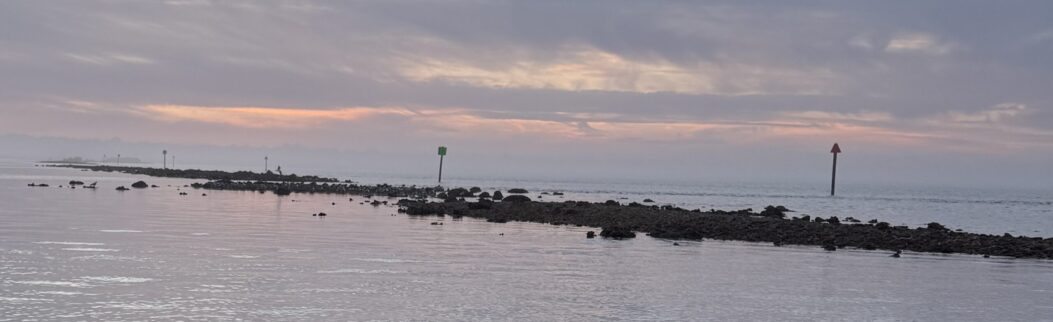
Fishing Low Water: Where Fish Go and How to Catch Them
- Captain Pete France
- February 1, 2026
- 5:15 pm
- 0 comments
Fishing Low Water on Florida’s Nature Coast can intimidate a lot of anglers, but for those who understand boat positioning and fish behavior, it can be one of the most productive times to fish inshore. When tides drop, water disappears—but fish don’t. Snook, redfish, and trout simply slide into deeper, more predictable areas. Knowing where they go and how to approach them is the key to success.
This guide breaks down how to fish low tides the right way, with a strong focus on boat positioning, approach, and adjusting to weather and tidal conditions.
Why Fishing Low Water Works So Well
Low water removes unnecessary water from the system. Flats drain, bait gets pushed, and fish are forced into defined travel routes and holding zones.
When Fishing Low Water, fish will:
- Concentrate in deeper water
- Hold tight to structure and edges
- Feed during short but aggressive windows
This makes low tide one of the best times to fish—if you approach it correctly.
Understanding Tides During Fishing Low Water
Falling Tides: Prime Time
A falling tide is your best friend. As water drains off shallow flats, bait is pulled toward deeper areas, and predators set up to ambush.
Position your boat:
- Down-current of drains and edges
- So casts move naturally with the flow
- Far enough away to avoid spooking fish
Always let the tide carry your bait to the fish, not the other way around.
Bottom of the Tide: Precision Matters
Dead low tide stacks fish tightly, but they’re also the most cautious.
At extreme low water:
- Stay farther off structure
- Make longer casts
- Minimize trolling motor use
Stealth is critical when Fishing Low Water, especially in clear winter conditions.
Boat Positioning: The Most Important Factor
Setting Up With Current
Fish almost always face into the current. If your bait isn’t moving naturally, it won’t get eaten.
Good boat positioning means:
- Setting up down-current
- Casting up-current or cross-current
- Allowing your lure or bait to sweep naturally
Poor positioning is one of the biggest mistakes anglers make during low tides.
Drifting vs. Anchoring
Both methods work, but conditions decide which is better.
Drifting is best when:
- Covering long edges or troughs
- Wind and tide move the same direction
- Fish are spread out
Anchoring works best when:
- Fish are stacked in one spot
- Current is steady
- You want to slow your presentation
A controlled drift is often my go-to approach for Fishing Low Water.
How to Catch Snook During Low Tides
Snook are sensitive to cold water and seek comfort during low tides.
In low water, snook hold:
- In deeper pockets near flats
- Along channel edges with cover
- In areas protected from wind
- Spring fed creeks (during the winter)
Boat positioning tips:
- Keep your boat in deeper water
- Cast toward structure, not over it
- Fish slowly and deliberately
Snook won’t chase far during low tides, but they’ll crush an easy meal.
How to Catch Redfish During Low Tides
Redfish are more tolerant of shallow water and cold temperatures.
When Fishing Low Water, redfish often:
- School tightly in deeper zones
- Travel edges and bottom transitions
- Feed along oyster and hard-bottom areas
Best approach:
- Drift parallel to structure
- Avoid pushing shallow water
- Watch for subtle movement or wakes
Redfish often feed hard when the tide first starts moving again.
How to Catch Trout During Low Tides
Speckled trout love stable conditions and cooler water.
Low-tide trout locations include:
- Deep holes near flats
- Drop-offs with steady current
- Softer bottom areas that hold warmth
Boat setup:
- Anchor or spot-lock just up-current
- Fan cast until you find the school
- Work the area thoroughly
Once you find trout when Fishing Low Water, stay put—they’re usually stacked.
Adjusting Boat Position for Weather
Cold Fronts
After a cold front, fish become sluggish and cautious.
Adjust by:
- Positioning farther off structure
- Fishing deeper and slower
- Targeting sun-warmed areas midday
Cold fronts often shorten feeding windows, but the bites can be strong.
Wind Direction
Wind can exaggerate or soften low tides.
- Strong north or east winds push water out
- Light winds allow predictable tidal movement
Use wind to your advantage by:
- Drifting with wind and tide aligned
- Avoiding broadside drifts
- Reducing hull slap and noise
Good boat control is essential when Fishing Low Water.
Reading Structure at Low Tide
Low tides reveal everything below the surface. Use this time to learn.
Pay attention to:
- Exposed bars and rocks
- Subtle depth changes
- Natural drain paths
These areas will hold fish even when water rises. Educational resources and seasonal breakdowns on naturecoastin.net go deeper into reading structure and fish movement on the Nature Coast.
Common Fishing Low Water Mistakes
Avoid these errors:
- Running too shallow with the boat
- Anchoring in the middle of drains
- Casting against current
- Moving too often
In low water, patience and positioning catch more fish than constant movement.
Why Fishing Low Water Is So Effective
Fishing Low Water simplifies the fishery. It forces snook, redfish, and trout into predictable areas and rewards anglers who slow down and think strategically.
By mastering boat positioning, understanding tides, and adjusting to weather conditions, you can turn low tides into some of your most productive days on Florida’s Nature Coast. Fish smart, stay stealthy, and let Fishing Low Water work in your favor. 🎣
Planning Your Own Inshore Adventure?
If this story sparks your interest in inshore fishing on the Nature Coast, a guided trip can help you experience it the right way. With expert knowledge of local tides, seasonal patterns, and tackle setups, you’ll not only catch fish—you’ll learn the techniques that make this coast so special. Just click here to book online or call me at 727-218-7969 if you’ve got questions.
Ready to Book Your Trip?
Booking your first Florida fishing charter with me is simple. Just click here to book online or call me at 727-218-7969 if you’ve got questions.
Let’s go Nature Coastin’—and make your first trip one you’ll never forget.