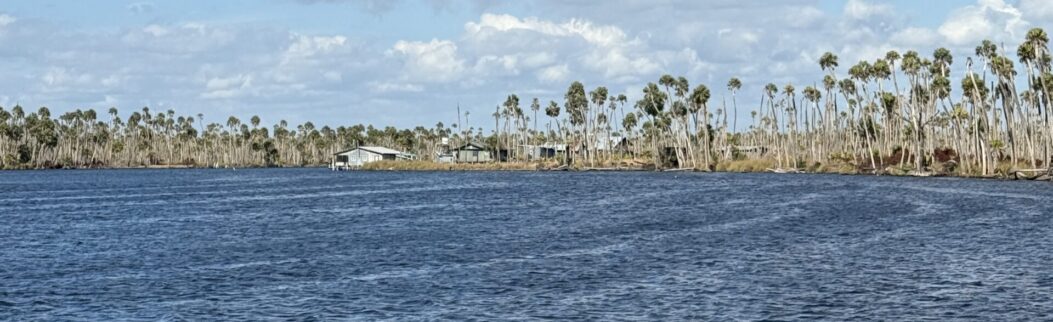
Spring Inshore Fishing Transition
- Captain Pete France
- February 20, 2026
- 8:04 pm
- 0 comments
The Spring Inshore Fishing Transition on Florida’s Nature Coast is one of the most exciting times of the year. Water temperatures rise, bait returns to the flats, and inshore fish like snook, redfish, and trout begin shifting out of their winter patterns. If you understand how fish behave during this seasonal change, you can stay one step ahead and turn the transition into consistent action.
As a Fishing Guide here on the Nature Coast, every year I look forward to this window. The Spring Inshore Fishing Transition rewards anglers who pay attention to water temperature, tides, bait movement, and fish behavior.
What Happens During the Spring Inshore Fishing Transition?
As winter fades and daylight increases, water temperatures begin climbing into a more comfortable range. This warming trend changes everything.
During the Spring Inshore Fishing Transition, fish:
- Become more active
- Feed more often
- Spread out from deep winter holes
- Begin moving toward flats and staging areas
This shift doesn’t happen overnight. It’s gradual, and timing matters.
Water Temperature: The Driving Factor
Why Temperature Matters Most
Water temperature is the biggest trigger during the Spring Inshore Fishing Transition. As temperatures rise into the upper 60s and low 70s:
- Snook leave deeper winter refuge
- Redfish roam more freely
- Trout move back onto grass flats
Fish metabolism increases, meaning they need to feed more often.
If a late cold front drops temperatures suddenly, fish may temporarily slide back into deeper areas. Flexibility is key.
Bait Movement During the Spring Inshore Fishing Transition
Spring brings life back to the flats.
You’ll notice:
- Increased baitfish schools
- Shrimp activity
- Mullet moving shallow
- Green backs move back in
Predator fish follow this food source. When bait returns, game fish won’t be far behind.
Articles on naturecoastin.net often break down seasonal bait patterns and how they affect inshore fishing. Understanding forage is critical during this time of year.
Snook Behavior in Early Spring
Snook are highly sensitive to cold, but once water warms, they respond quickly.
How Snook Shift During the Transition
During the Spring Inshore Fishing Transition, snook:
- Move from deep creeks and holes
- Stage along channel edges
- Begin sliding onto nearby flats during warmer afternoons
Midday often becomes prime time in early spring.
Snook Fishing Strategies
- Focus on sun-warmed shorelines
- Fish the last half of incoming tide
- Use natural presentations
Snook feed more aggressively as temperatures stabilize.
Redfish During the Spring Inshore Fishing Transition
Redfish handle winter better than snook, but they also adjust as spring arrives.
Redfish Seasonal Movement
In early spring, redfish:
- Break out of tight winter schools
- Spread along oyster bars and edges
- Feed actively during moving tides
They are often the most consistent target during the transition.
Redfish Fishing Tips
- Target grass edges and shallow flats on warmer days
- Fish tidal movement instead of dead water
- Cover water until you locate active fish
Redfish respond quickly to warming trends during the Spring Inshore Fishing Transition.
Trout Patterns in the Spring Shift
Speckled trout thrive in cooler months, but spring changes their positioning.
Trout Behavior as Water Warms
During the Spring Inshore Fishing Transition:
- Trout leave deeper winter holes
- Move toward grass flats
- Feed more consistently throughout the day
Look for them along drop-offs adjacent to shallow water.
Trout Fishing Strategy
- Fish early morning on cooler days
- Focus on steady current
- Work lures at varying depths
Trout often suspend during this period, so experiment with presentation depth.
Tides and the Spring Inshore Fishing Transition
Tide movement becomes more important as fish spread out.
Key tidal strategies:
- Incoming tide pushes bait onto flats
- Outgoing tide funnels bait through drains
- Strong moving water triggers feeding
During this seasonal shift, fish are more willing to chase. You don’t have to fish as slow as winter patterns require.
Weather Patterns to Watch
Spring weather can be unpredictable.
Watch for:
- Late cold fronts
- Wind direction changes
- Barometric pressure shifts
After a cold snap, fish may temporarily slow down. But stable warming trends usually restart the bite quickly.
Common Mistakes During the Spring Inshore Fishing Transition
Avoid these errors:
- Fishing winter spots too long after warming trends
- Ignoring shallow water too early in the season
- Moving too quickly without checking staging areas
- Overlooking bait presence
The Spring Inshore Fishing Transition is about adaptation. Conditions can change week to week.
Best Overall Strategy for Spring Success
Here’s how I approach it:
- Start near deeper winter areas early in the season.
- Gradually work toward shallower flats as temperatures rise.
- Focus on areas with bait and moving water.
- Adjust daily based on weather stability.
The biggest key during the Spring Inshore Fishing Transition is staying flexible.
Why the Spring Inshore Fishing Transition Is So Productive
This seasonal window combines:
- Increasing fish activity
- Expanding feeding zones
- Longer daylight hours
- Stronger tidal movement
Snook, redfish, and trout all become more predictable once warming trends stabilize.
If you understand how fish respond to rising temperatures and changing tides, the Spring Inshore Fishing Transition can offer some of the best inshore action of the year on Florida’s Nature Coast.
Pay attention to the water, follow the bait, and adjust as conditions change. Master this transition, and you’ll stay ahead of the curve all season long.
Planning Your Own Inshore Adventure?
If this story sparks your interest in inshore fishing on the Nature Coast, a guided trip can help you experience it the right way. With expert knowledge of local tides, seasonal patterns, and tackle setups, you’ll not only catch fish—you’ll learn the techniques that make this coast so special. Just click here to book online or call me at 727-218-7969 if you’ve got questions.
Ready to Book Your Trip?
Booking your first Florida fishing charter with me is simple. Just click here to book online or call me at 727-218-7969 if you’ve got questions.
Let’s go Nature Coastin’—and make your first trip one you’ll never forget.