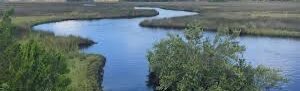
Fishing the Backcountry Creeks: What to Look For
- Captain Pete France
- January 20, 2026
- 10:52 pm
- 0 comments
Fishing the Backcountry Creeks: What to Look For is one of the most important skills an inshore angler can learn, especially on Florida’s Nature Coast. These creeks are highways for bait and predators, but success doesn’t come from just casting into them. Boat positioning, approach, tide awareness, and weather all play a huge role in whether you get bites or spook fish before you ever make a cast.
After years of guiding these waters, I’ve learned that fishing backcountry creeks is about reading subtle signs and setting up correctly before you ever fish.
Why Backcountry Creeks Are So Productive
Backcountry creeks act like funnels. They concentrate bait, control water movement, and give fish predictable ambush points. During changing tides and seasonal weather, these creeks provide shelter and easy feeding opportunities.
Creeks consistently hold fish because they offer:
- Moving water
- Protection from wind
- Temperature stability
- Access to shallow and deeper water
If you understand Fishing the Backcountry Creeks: What to Look For, you’ll find fish year-round.
Boat Positioning: The Foundation of Creek Fishing
Boat positioning is everything in tight, shallow creeks. Poor positioning leads to spooked fish, bad casting angles, and unnatural presentations.
Before fishing any creek, stop and observe:
- Which direction the water is moving
- How fast the current is flowing
- How wind is influencing boat drift
Always let the stronger force—wind or tide—dictate your setup.
Positioning for Incoming Tides
On an incoming tide, bait is pushed into the creeks. Predators set up facing the current, waiting for food to wash past.
Best positioning for incoming tides:
- Hold the boat down-current of the creek mouth
- Cast up-current and let baits move naturally
- Avoid pushing into the creek with the motor
This approach keeps your presentation natural and keeps fish from seeing the boat first.
Positioning for Outgoing Tides
Outgoing tides pull bait out of the creeks, making mouths and drains prime feeding zones.
Effective outgoing tide positioning:
- Set up just outside the creek mouth
- Cast into the creek and let lures sweep out
- Focus on current seams and edges
Outgoing tides often produce aggressive bites when positioned correctly.
How Weather Changes Creek Fishing
Weather can make or break backcountry creek fishing on the Nature Coast.
Cold Weather Patterns
During colder months, creeks provide warmth and stability.
Look for:
- Deeper bends within creeks
- Dark bottom areas that absorb heat
- Protection from north winds
Fish tend to stack up, making precise positioning even more important.
Warm Weather Patterns
In warmer conditions, creeks offer shade and oxygen.
Focus on:
- Overhanging cover
- Areas with steady current
- Early morning and late afternoon windows
Adjusting to weather conditions is a key part of Fishing the Backcountry Creeks: What to Look For.
Quiet Approach: Don’t Blow the Spot
Backcountry creeks are often shallow and narrow, which means fish feel pressure fast.
Approach tips that matter:
- Cut the outboard early and coast in
- Use the trolling motor sparingly
- Avoid banging hatches or moving around
A quiet approach will give you more shots before fish shut down.
Drifting vs. Anchoring in Creeks
When to Drift
Drifting works well when:
- Wind and tide align
- Creeks are wider
- Fish are spread out
Drift slowly and make controlled casts ahead of the boat.
When to Anchor
Anchoring is better when:
- Wind is strong
- Fish are holding tight to structure
- Current speed is moderate
Anchor far enough away to cast into the strike zone without sitting on top of fish.
For more boat positioning tips, check out the inshore fishing articles at https://www.naturecoastin.net
What to Look For Inside the Creek
Not all parts of a creek are equal. Focus on areas that naturally concentrate fish.
High-percentage spots include:
- Creek mouths
- Inside bends with deeper water
- Points and corners where current breaks
- Drop-offs near shallow flats
Fish use these areas to ambush bait without expending much energy.
Reading Current Seams and Water Flow
Current seams are invisible lines where fast and slow water meet. These seams are prime feeding lanes.
Signs of good current seams:
- Ripples or slicks on the surface
- Floating debris moving at different speeds
- Baitfish holding in calm water next to moving water
Position your boat so your bait travels naturally along these seams.
Common Boat Positioning Mistakes
Many anglers struggle in backcountry creeks because of avoidable mistakes.
Avoid these issues:
- Running the motor too far into the creek
- Anchoring directly on the fish
- Ignoring wind direction
- Making only one or two casts before moving
Creek fishing rewards patience and precision.
Why the Nature Coast Is Ideal for Creek Fishing
Florida’s Nature Coast is full of winding creeks, healthy grass, and natural flow patterns that support strong inshore fisheries. According to the Florida Fish and Wildlife Conservation Commission, tidal creeks play a critical role in supporting baitfish and predator species (https://myfwc.com).
That habitat diversity is why creek fishing stays productive in all seasons.
Final Thoughts
Mastering Fishing the Backcountry Creeks: What to Look For comes down to observation, boat control, and understanding how fish use moving water. Position yourself for the tide, adjust for the weather, and approach quietly.
Do those things right, and backcountry creeks on Florida’s Nature Coast will reward you with consistent action and unforgettable inshore fishing days.
Planning Your Own Inshore Adventure?
If this story sparks your interest in inshore fishing on the Nature Coast, a guided trip can help you experience it the right way. With expert knowledge of local tides, seasonal patterns, and tackle setups, you’ll not only catch fish—you’ll learn the techniques that make this coast so special. Just click here to book online or call me at 727-218-7969 if you’ve got questions.
Ready to Book Your Trip?
Booking your first Florida fishing charter with me is simple. Just click here to book online or call me at 727-218-7969 if you’ve got questions.
Let’s go Nature Coastin’—and make your first trip one you’ll never forget.