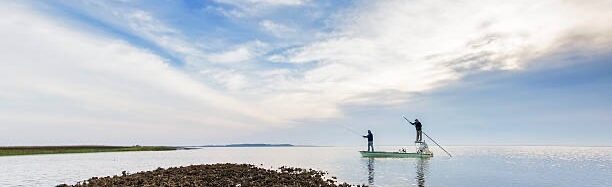
How to Set Up the Perfect Drift or Anchor Spot for Inshore Fishing
- Captain Pete France
- January 14, 2026
- 1:46 am
- 0 comments
Learning How to Set Up the Perfect Drift or Anchor Spot for Inshore Fishing is one of the biggest game changers for consistent success on Florida’s Nature Coast. Boat positioning and approach matter just as much as lure choice or tackle. If your boat isn’t set up correctly for the tide and weather, you’re already behind before the first cast.
As a guide who spends hundreds of days on these waters, I can tell you this—good positioning puts your bait in the strike zone longer and keeps you from spooking fish.
Why Boat Positioning Matters in Inshore Fishing
Inshore fish relate tightly to structure, current, and ambush points. Poor boat positioning can:
- Push fish off structure
- Put your casts at bad angles
- Drag lures unnaturally through current
Strong How to Set Up the Perfect Drift or Anchor Spot for Inshore Fishing skills allow you to fish quietly, efficiently, and with purpose.
Understanding Wind vs. Tide on the Nature Coast
Before setting up any drift or anchor, you need to know which force is stronger.
- Tide-driven movement: Boat moves with current
- Wind-driven movement: Boat slides regardless of tide direction
On the Nature Coast, shallow water makes wind a major factor. Always observe:
- Direction your boat naturally wants to move
- Speed of that movement
- How bait and debris are drifting
The stronger force—wind or tide—should dictate your setup.
How to Set Up the Perfect Drift for Inshore Fishing
Planning the Drift Before You Start
A good drift is planned backward. Start where you want your drift to end, not where it begins.
Key drift setup steps:
- Identify the structure you want to fish
- Position the boat up-current or up-wind
- Allow the boat to drift naturally across the target zone
This approach keeps presentations natural and quiet.
Drifting Different Structures
Drifts work best over:
- Grass flats
- Sand holes
- Long oyster edges
- Shallow transition zones
Drift tips that improve success:
- Use short corrections with the trolling motor
- Avoid constant motor noise
- Make repeated drifts if the area produces bites
For more inshore tactics, visit the fishing strategy articles at https://www.naturecoastin.net
How to Control Drift Speed
Drift speed can make or break your presentation.
If drifting too fast:
- Use a drift sock
- Position slightly more upwind
- Make shorter casts
If drifting too slow:
- Start farther up-current
- Use longer casts to cover water
The goal is keeping your lure moving naturally with the current.
How to Set Up the Perfect Anchor Spot for Inshore Fishing
Anchoring Without Spooking Fish
Anchoring incorrectly can shut down a bite fast. Quiet approach is critical.
Best anchoring practices:
- Approach from downwind or down-current
- Cut the motor early and coast in
- Deploy anchor quietly and slowly
Once anchored, avoid unnecessary movement.
Anchoring for Different Tides
Incoming Tide Positioning
On incoming tides, fish face into the flow waiting for bait.
Anchor positioning tips:
- Anchor up-current of structure
- Cast down-current toward ambush points
- Let baits move naturally with the tide
Outgoing Tide Positioning
Outgoing tides pull bait off structure and into deeper water.
Anchor positioning tips:
- Set up above drains or edges
- Cast into current seams
- Let lures swing naturally through strike zones
This method keeps your bait where fish expect food to travel.
Weather Adjustments for Boat Positioning
Weather affects positioning just as much as tide.
Calm Conditions
- Drifts are easier to control
- Longer, slower drifts are possible
- Fish are more easily spooked—stay quiet
Windy Conditions
- Anchoring may be more effective than drifting
- Fish leeward sides of structure
- Use shorter casts and heavier presentations if needed
Strong How to Set Up the Perfect Drift or Anchor Spot for Inshore Fishing skills include knowing when to drift and when to anchor.
Using the Trolling Motor Correctly
The trolling motor should assist—not replace—good positioning.
Best practices:
- Use short, quiet bursts
- Avoid constant adjustments
- Let wind and tide do most of the work
Overusing the trolling motor can scatter fish in shallow water.
Common Boat Positioning Mistakes
Avoid these mistakes that cost anglers bites:
- Anchoring directly on top of fish
- Drifting too fast through productive areas
- Ignoring wind direction
- Repositioning too often
Patience and planning always outfish rushing.
Why Boat Positioning Is a Skill, Not a Shortcut
Boat positioning isn’t about one perfect setup—it’s about adjusting throughout the day. Tides change, wind shifts, and fish move. Anglers who understand How to Set Up the Perfect Drift or Anchor Spot for Inshore Fishing stay adaptable.
According to the Florida Fish and Wildlife Conservation Commission, minimizing disturbance in shallow habitats helps maintain healthy inshore fisheries (https://myfwc.com). Proper positioning protects both fish and habitat.
Final Thoughts
If you want to catch more fish consistently, focus less on casting farther and more on setting up smarter. How to Set Up the Perfect Drift or Anchor Spot for Inshore Fishing comes down to reading wind, tide, and structure—and letting conditions work for you instead of against you.
Master boat positioning, fish quietly, and you’ll spend more time hooked up and less time repositioning on Florida’s Nature Coast.
Planning Your Own Inshore Adventure?
If this story sparks your interest in inshore fishing on the Nature Coast, a guided trip can help you experience it the right way. With expert knowledge of local tides, seasonal patterns, and tackle setups, you’ll not only catch fish—you’ll learn the techniques that make this coast so special. Just click here to book online or call me at 727-218-7969 if you’ve got questions.
Ready to Book Your Trip?
Booking your first Florida fishing charter with me is simple. Just click here to book online or call me at 727-218-7969 if you’ve got questions.
Let’s go Nature Coastin’—and make your first trip one you’ll never forget.