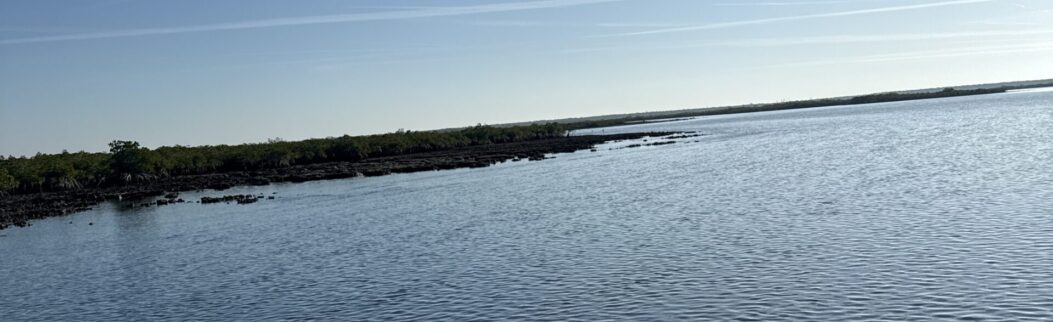
January Guide for Inshore Fishing on Florida’s Nature Coast
- Captain Pete France
- January 7, 2026
- 1:33 am
- 0 comments
This January guide for inshore fishing is built for anglers who want to stay on fish during the coldest month of the year. On Florida’s Nature Coast, winter brings clear water, cooler temperatures, and changing fish behavior. If you adjust your lure selection, leaders, and tactics to match January conditions, inshore fishing can still be very productive.
I’ve guided through many winters out here, and January consistently rewards anglers who slow down, pay attention to weather, and fish with intention.
Understanding January Inshore Fish Behavior
Cold water changes everything. In January, inshore fish are still present, but they move less and feed in shorter windows.
Typical winter behavior includes:
- Fish grouping tightly instead of spreading out
- Short feeding periods, often midday
- Less chasing and more reaction-based bites
A successful January guide for inshore fishing always starts with understanding that fish want easy meals and stable conditions.
How Weather Impacts January Fishing
Winter weather plays a huge role on the Nature Coast. Cold fronts, wind direction, and overnight lows directly affect fish positioning.
Key weather factors to watch:
- Strong cold fronts followed by clear skies
- North and northeast winds that cool shallow water
- Warming trends after several cold nights
The best bites often happen:
- In the afternoon after the sun warms the water
- Two to three days after a cold front passes
- During stable weather windows
Adjusting plans around weather is just as important as lure choice in January.
Winter Structure: Where Fish Hold in January
Structure becomes critical in winter. Fish look for areas that offer warmth, depth, and protection from wind.
Focus on structure that provides:
- Slightly deeper water
- Dark bottoms that absorb heat
- Shelter from strong winds
Productive winter areas include:
- Creek mouths
- Deeper bends and drop-offs
- Shorelines warmed by afternoon sun
- Transitions between shallow and deep water
Once you find fish, slow down and work the area thoroughly.
January Lure Selection for Inshore Fishing
Lure selection is one of the most important parts of this January guide for inshore fishing. Cold water means subtle presentations work best.
Effective winter lures include:
- Soft plastic jerk baits
- Small paddle tails on light jig heads
- Suspending twitch baits
- Light bucktail jigs fished slowly
Retrieve tip:
Slow retrieves with long pauses trigger more bites than fast movements. Many January strikes happen when the lure is barely moving.
For more seasonal lure ideas, check out the inshore fishing tips at https://www.naturecoastin.net
Leader Selection in Clear, Cold Water
In January, clear water and cautious fish make leader choice very important.
Winter leader tips:
- Downsize leader strength when possible
- Use fluorocarbon for lower visibility
- Lengthen leaders for a more natural presentation
Lighter leaders help lures move freely and prevent fish from getting line shy.
Inshore Winter Fishing Tactics That Work
Winter fishing is all about patience and precision. Covering less water but fishing it thoroughly produces better results.
Key January tactics include:
- Fishing slower than you think you need to
- Making repeated casts to productive structure
- Focusing on mid-day warming periods
- Letting lures sit longer in the strike zone
This approach is especially effective for snook, redfish, and trout during cold spells.
Tides and Timing in January
Tides still matter in winter, but timing is more important than speed.
January tide tips:
- Moving water helps, but isn’t required
- Afternoon tides often fish better than mornings
- Combine tide movement with sunshine for best results
A slow-moving tide paired with warming water can outperform a fast tide in cold conditions.
Gear Adjustments for January Inshore Fishing
You don’t need brand-new gear, but small changes improve winter success.
Helpful adjustments:
- Softer rod tips for finesse presentations
- Lighter jig heads to slow fall rate
- Braided main line with lighter fluorocarbon leaders
These adjustments support the slower, more subtle style winter fishing requires.
Why the Nature Coast Shines in Winter
The Nature Coast remains a strong fishery year-round because of its diverse habitat. Fish can move between shallow warming areas and deeper refuge water with ease.
According to the Florida Fish and Wildlife Conservation Commission, habitat diversity helps support healthy inshore fisheries through seasonal changes (https://myfwc.com).
That diversity is why January fishing can still be very productive when conditions line up.
Common January Mistakes to Avoid
Many anglers struggle in winter because they fish the same way they do in summer.
Avoid these common mistakes:
- Fishing too fast
- Leaving an area too quickly
- Ignoring weather trends
- Fishing early mornings after cold nights
Patience and timing matter more than distance covered.
Final Thoughts
January doesn’t mean slow fishing—it means smart fishing. This January guide for inshore fishing is all about adjusting to winter conditions with the right lures, leaders, and tactics.
Pay attention to weather, fish during warming periods, slow everything down, and Florida’s Nature Coast can still deliver excellent inshore action even in the heart of winter.
Planning Your Own Inshore Adventure?
If this story sparks your interest in inshore fishing on the Nature Coast, a guided trip can help you experience it the right way. With expert knowledge of local tides, seasonal patterns, and tackle setups, you’ll not only catch fish—you’ll learn the techniques that make this coast so special. Just click here to book online or call me at 727-218-7969 if you’ve got questions.
Ready to Book Your Trip?
Booking your first Florida fishing charter with me is simple. Just click here to book online or call me at 727-218-7969 if you’ve got questions.
Let’s go Nature Coastin’—and make your first trip one you’ll never forget.