Live Bait 101: Mastering Inshore Fishing on Florida’s Nature Coast
- Captain Pete France
- November 8, 2025
- 4:02 am
- 0 comments
When it comes to consistent success on the flats, nothing beats the power of live bait. In this Live Bait 101 guide, I’m going to break down the techniques, rigging tips, and presentation methods that help anglers catch more snook, redfish, and trout along Florida’s Nature Coast. Whether you’re a weekend warrior or a seasoned angler, understanding live bait behavior and how to present it naturally is the foundation for inshore fishing success.
Why Live Bait Rules the Nature Coast
The waters along the Nature Coast are clear, shallow, and full of life. Here, predators like snook and redfish rely heavily on their senses of sight and vibration. Artificial lures can work wonders, but live bait adds one unbeatable advantage — authentic scent and movement.
Fish feeding on shrimp, mullet, or pinfish in their natural environment can’t resist a lively, well-presented bait. When the bite slows or conditions change, live bait often turns a tough day into a great one.
Top Live Baits for Inshore Fishing
Matching the hatch — or using what fish are already eating — is the golden rule of live bait fishing. Here are some of the most productive natural offerings on the Nature Coast:
- Live Shrimp: Versatile and effective year-round. Great for trout, redfish, and snook.
- Pinfish: A hardy bait that draws in big predators near oyster bars or mangrove roots.
- Scaled Sardines (Whitebait): Perfect for free-lining and chumming to fire up the bite.
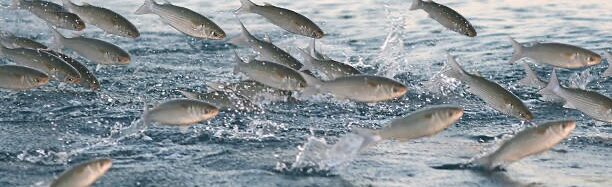
- Finger Mullet: Ideal during fall runs when larger fish are feeding aggressively.
Each of these baits works best when handled carefully and rigged correctly — which brings us to the next step.
Rigging Techniques for Live Bait
Proper rigging keeps your bait alive, moving naturally, and in the strike zone. Below are the most effective rigs for inshore live bait presentations.
Free-Lining Live Bait
Free-lining is as natural as it gets — no weight, no cork, just the bait and your line.
- Use a 3/0–5/0 circle hook depending on bait size.
- Hook sardines through the nose or shoulder so they swim freely.
- Cast up-current and allow the bait to drift naturally through ambush points.
- Keep your line slack enough for the bait to move, but tight enough to feel the strike.
This is perfect for calm conditions or when targeting snook cruising mangrove edges.
Popping Cork Rig
For shallow grass flats and potholes where redfish and trout feed, the popping cork rig shines.
- Tie a popping cork 18–30 inches above a fluorocarbon leader.
- Use a 2/0-4/0 circle hook with shrimp or small pinfish.
- Pop the cork once or twice, then pause — most strikes happen on the pause.
- Adjust leader length based on water depth.
This rig mimics the sound of feeding fish and triggers a reaction strike from nearby predators.
Carolina (Fish-Finder) Rig
When fish are deeper or currents run strong, go with a Carolina-style setup.
- Slide an egg sinker (¼ to ½ oz) above a swivel.
- Attach an 18–24 inch fluorocarbon leader with a circle hook.
- Hook your bait through the lips or just behind the dorsal fin.
This keeps the bait close to the bottom while still allowing natural movement — perfect for redfish working drop-offs or channels.
Presentation: The Secret to More Strikes
Even the liveliest bait won’t catch fish if it’s not presented right. Fish on the Nature Coast are observant — they watch, follow, and strike only when it looks natural.
Here’s how to present live bait effectively:
- Match your retrieve to conditions: Fast current? Let the bait drift. Still water? Use gentle rod lifts to mimic natural motion.
- Use light fluorocarbon leaders (20–30 lb test) for stealth.
- Avoid overworking the bait. Let it do the swimming for you.
- Cast ahead of visible fish or structure and let the bait move naturally into their path.
Remember, a good presentation is about patience. The less you interfere, the more real it looks to the fish.
Keeping Your Bait Alive
Nothing ruins a trip faster than dead bait before the first cast. To keep your bait fresh and lively:
- Use an aerated livewell or bubbler system.
- Change water regularly if using buckets.
- Avoid overcrowding — give bait room to breathe.
- Handle bait with wet hands or a small dip net to prevent scale loss.
Healthy, active bait will swim naturally and attract attention faster than anything artificial.
When to Use Live Bait Over Lures
Even with all the modern soft plastics and topwater lures, there are times when live bait is unbeatable:
- After a cold front when fish are sluggish.
- During tide transitions when predators sit and wait for easy meals.
- On calm, clear days when fish are spooky and cautious.
- When introducing beginners — live bait often produces more consistent action.
You can always mix both tactics — start with artificials, then switch to live bait when the bite slows.
Final Thoughts from Captain Pete
Live bait isn’t just the “easy” way to fish — it’s an art form. Learning how to gather, rig, and present it effectively will make you a more well-rounded angler. Whether you’re drifting the flats for trout, pitching mangroves for snook, or soaking pinfish for redfish, remember: natural presentation catches natural predators.
That’s Live Bait 101 — simple, effective, and proven on the waters of Florida’s Nature Coast. See you out there, and tight lines!
Planning Your Own Inshore Adventure
If this story sparks your interest in inshore fishing on the Nature Coast, a guided trip can help you experience it the right way. With expert knowledge of local tides, seasonal patterns, and tackle setups, you’ll not only catch fish—you’ll learn the techniques that make this coast so special. Just click here to book online or call me at 727-218-7969 if you’ve got questions.
For trip information, conservation guidelines, and tide forecasts, check out resources like:
- Nature Coastin fishing charters
- Florida Fish and Wildlife Conservation Commission (FWC)
- NOAA Tides & Currents
Ready to Book Your Trip?
Booking your first Florida fishing charter with me is simple. Just click here to book online or call me at 727-218-7969 if you’ve got questions.
Let’s go Nature Coastin’—and make your first trip one you’ll never forget.